













What is the difference between neon signs and LED signs?
Today, there are alternatives to traditional neon signs. In this article, we will discuss the difference between neon signs and LED signs.
EXPLORE
GET THE NEON OF YOUR DREAMS
I WANT TO CREATE
ZOOM ON
WHERE TO HANG YOUR NEON? Get inspired by our Love Wall.
Customized neon lights
Neon lights for business
Technologies
STAND OUT FROM THE COMPETITION
LEARN MORE
OUR LATEST ARTICLE
CAN'T FIND WHAT YOU'RE LOOKING FOR?
EXPLORE
GET THE NEON OF YOUR DREAMS
I WANT TO CREATE
ZOOM ON
WHERE TO HANG YOUR NEON? Get inspired by our Love Wall.
Customized neon lights
Neon lights for business
Technologies
STAND OUT FROM THE COMPETITION
LEARN MORE
OUR LATEST ARTICLE
CAN'T FIND WHAT YOU'RE LOOKING FOR?

Today, there are alternatives to traditional neon signs. In this article, we will discuss the difference between neon signs and LED signs.
Les néons sont populaires depuis le début des années 1900 comme outil de publicité et comme moyen d'attirer les clients dans les commerces 24 heures sur 24. Ils sont populaires non seulement dans les commerces, mais aussi en tant qu'éléments décoratifs et œuvres d'art dans les maisons. Ces dernières années, les enseignes au néon ont connu un regain de popularité. Ce regain de popularité est dû en grande partie aux réseaux sociaux et aux personnes qui font des selfies et cherchent à se démarquer en utilisant des néons. Les enseignes en néon sont un excellent moyen pour les professionnels de permettre aux personnes de faire des selfies dans des lieux tels que les restaurants, les cafés, les événements musicaux ou les concerts, les salons professionnels et autres événements tout en s’affichant.
Aujourd'hui, il existe également des alternatives au néon traditionnel qui fonctionnent tout aussi bien et sont aussi efficaces visuellement. La différence se situe au niveau des matériaux utilisés. Dans cet article, nous allons examiner la différence entre les néons et les néons à LED.
At the time of purchase, it is important to know the difference between these two technologies.
Le choix du néon dépend de plusieurs facteurs. Il y a des différences de coût, de durée de vie et de rentabilité.
The neon signs are made with neon or argon gas. This gas creates the bright colors and glow that neon signs are known for. The neon signs are made by inserting the gas into a glass tube shaped to create the required words or patterns.
The final color of the sign depends on using the right gas to achieve the desired look. Making a traditional neon sign is a labor-intensive process that requires skill, experience and relatively expensive materials.
For example, shaping glass to the desired form is a skill that takes many years to master perfectly. Handling gas also requires specific training, so these costs are reflected in the final purchase price.
Modern manufacturing techniques and technologies have made it possible to mimic the design, appearance and style of traditional neon lights with LED lighting.
If the neon LED is not made from the same materials as traditional neon signs, it creates the same effect with a number of advantages over traditional neon signs.
The neon LED signs offer a high quality alternative and, in many cases, a better option than traditional neon.
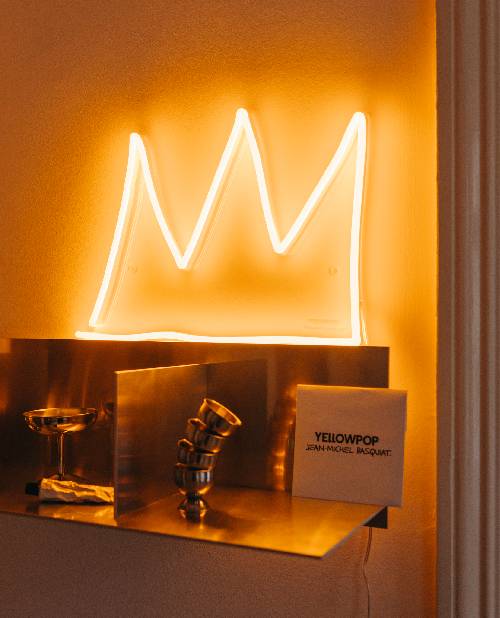
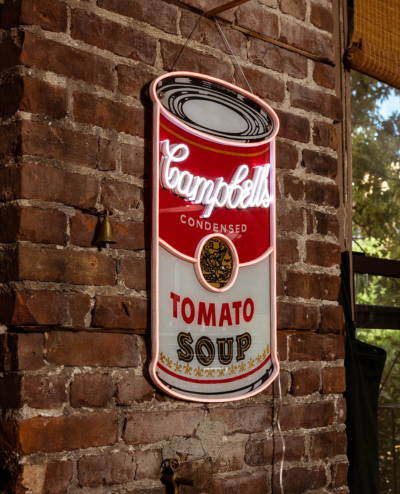
The neon LED signs are created using a mixture of acrylic, plastic and LEDs. LEDs are made up of many small individual bulbs. As with traditional neon signs, the design, production and assembly of LED neon signs involve many different craft techniques. The LED neon signs signs are always assembled by hand, and there are many different types of holders.
The end result is a bright appearance, without the use of neon or argon gas, or the fragile glass used in traditional neon. Now that we know the differences between LED neon and traditional neon, let's take a look at the advantages and disadvantages of each.
LED signs offer an advantage during the day because they are clearly visible, while traditional neon signs are best seen at night when it is dark. LED neon signs also offer better clarity and are easier to read from a distance, while neon signs can appear blurry when viewed from a distance.
Price is an important factor for many buyers and neon LED signs are cheaper than are less expensive than traditional traditional neon signs. similar. Even though LED neon lights are cheaper to purchase initially, the savings don't stop there. LED lights are also cheaper to operate and maintain, making the overall cost of LED neon much more attractive in the long run than traditional neon.
The neon signs signs are generally much thicker than today's LED signs. The main difference between the two styles in terms of size and use of space is the depth of the sign, as traditional neon glass tubes are set back from the support, making them 7 to 13 centimeters deep. In comparison, an LED sign is only 2.5 centimeters thick.
The neon LED signs and traditional traditional neon signs can be created in almost any size to fit your windows or walls.
Traditional neon lights mainly offer the on-off style or turning on and off different parts of the sign. The LED neon signs signs offer more variation in animation, as they are composed of many more small lights that can be manipulated, especially in terms of light intensity.
LED neon signs last up to 100,000 hours, even if they are on 24/7, and require virtually no maintenance. Neon signs require cleaning of the glass tubes and will eventually lose all the gas inside. This means that the gas or the entire sign will eventually need to be replaced.
LED signs are lighter and thinner than traditional neon signs, which also makes them much less expensive to ship. Another difference is that they are less fragile than traditional glass versions, which reduces problems with breakage during shipping. Because LED signs are lighter and thinner than traditional neon signs, they are also very easy to install. It is as simple as hanging a picture and plugging in a lamp.
Les enseignes au néon traditionnelles nécessitent l'intervention d'un professionnel et leur installation est très compliquée. Au contraire, les néons à LED sont livrées avec une alimentation électrique normale et une prise de courant classique. Vous pouvez tout faire seul.e !
LED panels are known to be environmentally friendly since they use only a few watts of power.
In fact, the LED neon lights s use 6 to 10 times less power than traditional neon lights. The LED neon signs signs emit much less heat and stay cool enough to be touched, unlike gas neon signs. Because they require low power, they are less expensive to operate and use less electricity.
In addition, the gases that escape from traditional neon lights contain mercury and argon, which can be toxic. These gases are bad for the environment, and when they escape, they can leave parts of the sign flickering or even prevent them from working.
It is clear that LED signs in neon offer a number of advantages over traditional neon, including better purchase and operating costs, less negative impact on the environment, and more design options.
Si vous avez besoin d’aide pour concevoir le meilleur néon personnalisé en fonction de vos besoins, n’hésitez pas à nous contacter aujourd’hui !